Rainy Season and Diseases
By: Arjun Kushwaha 15 Sep 2025 11:09:19
The rainy season brings relief from the scorching summer, cool breezes, and lush greenery. However, along with the pleasant weather, it also increases the risk of many diseases. Excess moisture, waterlogging, and poor hygiene conditions create a favorable environment for germs, mosquitoes, and bacteria to spread.
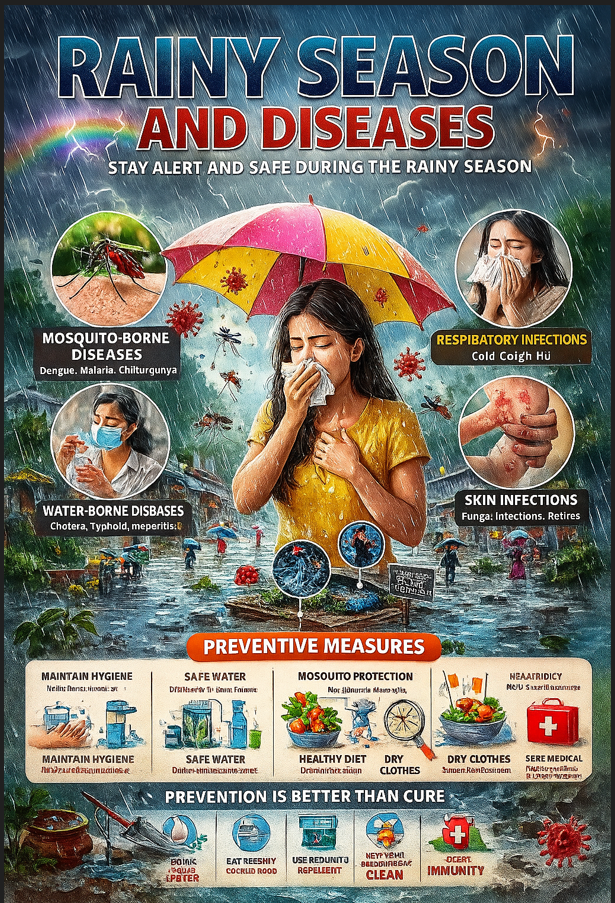
Common Diseases in the Rainy Season
-
Mosquito-Borne Diseases
-
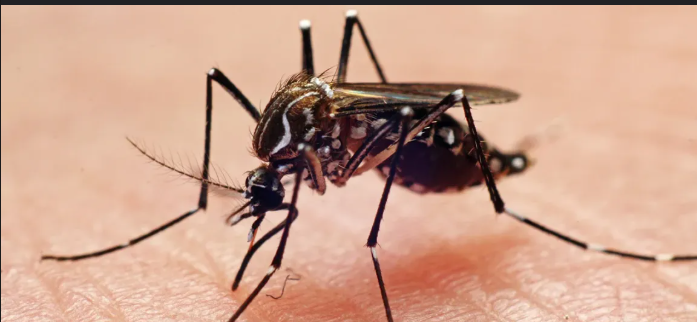
Dengue, Malaria, Chikungunya are most common.
-
Stagnant water becomes a breeding ground for mosquitoes.
-
Symptoms include fever, body ache, weakness, and rashes (in dengue).
-
-
Water-Borne Diseases
-
Cholera, Typhoid, Hepatitis A, Diarrhea spread through contaminated food and water.
-
Drinking unsafe water or eating roadside food increases the risk.
-
-
Respiratory Infections
-
Cold, cough, flu, and bronchitis spread faster due to damp air and sudden temperature changes.
-
People with weak immunity or asthma are more affected.
-
-
Skin Infections
-
Fungal infections, rashes, and allergies are common due to wet clothes and humidity.
-
-
Leptospirosis
-
Spread by walking in contaminated floodwater, it can cause high fever, muscle pain, and kidney issues.
-
Preventive Measures
-
Maintain Hygiene: Wash hands frequently and keep surroundings clean.
-
Safe Water: Drink only boiled or filtered water; avoid roadside food.
-
Mosquito Protection: Use mosquito nets, repellents, and ensure no water stagnation near home.
-
Healthy Diet: Eat immunity-boosting foods like seasonal fruits, vegetables, and sprouts.
-
Dry Clothes Properly: Avoid wearing damp clothes or wet shoes for long.
-
Seek Medical Help Early: Don’t ignore high fever, vomiting, or prolonged weakness.
Conclusion
The rainy season is beautiful but comes with health challenges. By staying cautious, eating healthy, and maintaining cleanliness, we can enjoy the rains without falling sick. Prevention is always better than cure.