Dengue Fever: Causes, Risks, and Preventions
By: Arjun Kushwaha 15 Sep 2025 11:14:12
Introduction
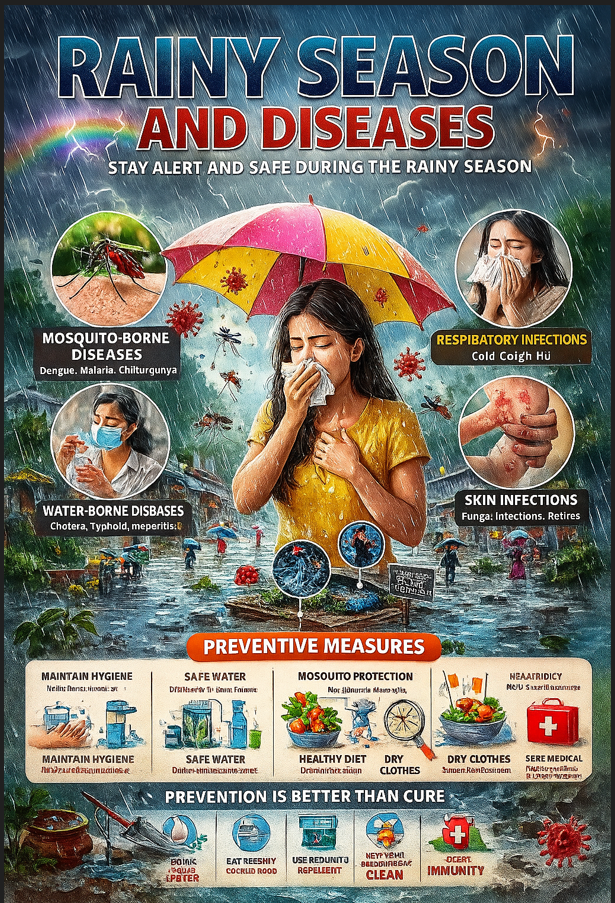
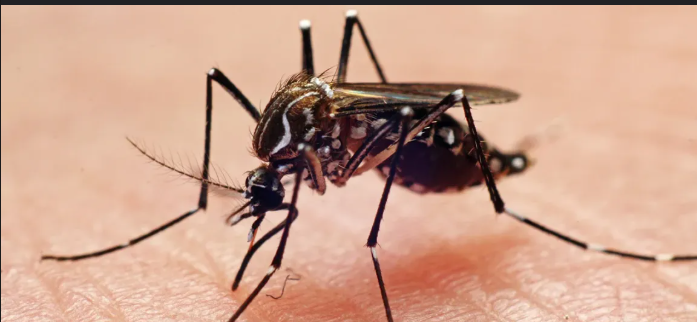
Dengue fever is one of the most common mosquito-borne viral infections in tropical and subtropical regions, including India. It spreads rapidly during the rainy season when stagnant water provides breeding grounds for Aedes aegypti mosquitoes. While many cases are mild, severe dengue can lead to serious complications if not treated early.
Causes and Transmission
-
Dengue is caused by the dengue virus (DENV), transmitted through the bite of infected female Aedes mosquitoes.
-
These mosquitoes are active mostly during early morning and late afternoon.
-
Dengue does not spread directly from person to person.
Symptoms of Dengue
-
Sudden high fever
-
Severe headache and pain behind the eyes
-
Joint and muscle pain (also called “breakbone fever”)
-
Nausea, vomiting, and fatigue
-
Skin rashes appearing 2–5 days after fever
-
In severe cases: bleeding gums, low platelet count, difficulty in breathing (medical emergency).
Prevention Measures
-
Stop Mosquito Breeding
-
Do not allow water to collect in coolers, flowerpots, tyres, or open containers.
-
Change water in bird baths and plant pots regularly.
-
Keep surroundings clean and dry.
-
-
Protect Yourself from Mosquito Bites
-
Use mosquito nets, repellents, and coils.
-
Wear long-sleeved clothes and cover arms and legs.
-
Install mesh on windows and doors.
-
-
Community Efforts
-
Participate in anti-mosquito drives in your area.
-
Report waterlogging to local authorities.
-
-
Boost Immunity & Early Care
-
Eat a healthy diet rich in fruits, vegetables, and fluids.
-
Seek medical attention immediately if fever persists for more than 2 days.
-
Do not take aspirin or ibuprofen without doctor’s advice, as they may increase bleeding risk.
-
Conclusion
Dengue is preventable if we act responsibly. By controlling mosquito breeding, protecting ourselves from bites, and raising community awareness, we can significantly reduce the risk of outbreaks. Remember: Prevention is better than cure, and collective effort is the strongest shield against dengue.